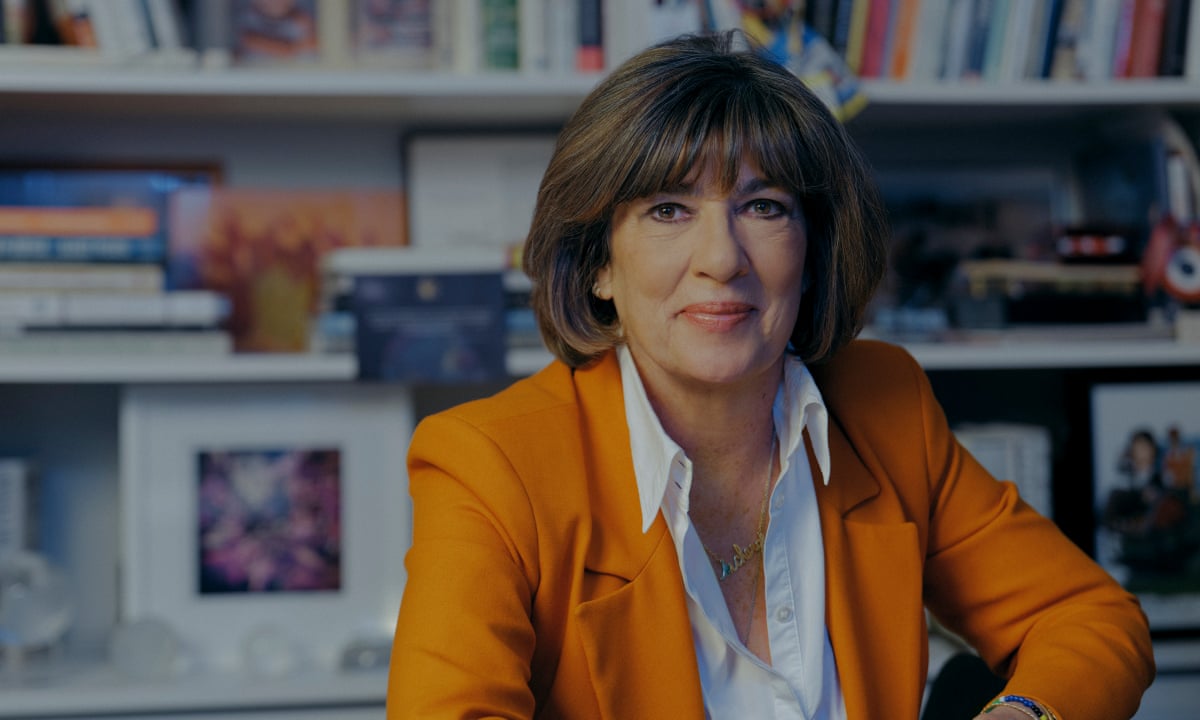
Christiane Amanpour Addresses Her Future After Controversial Comments About Gaza
In recent weeks, Christiane Amanpour, one of the most respected figures in international journalism, has found herself at the center of a heated debate following a series of controversial comments about the people of Gaza. As a veteran correspondent known for her fearless reporting and commitment to truth, Amanpour’s remarks sparked widespread discussion and criticism. In response, she has now publicly addressed her future in the media landscape, emphasizing the critical role of amplifying voices from conflict zones.
Christiane Amanpour’s Response: “Now You All Know Who Really Has the Voice Here”
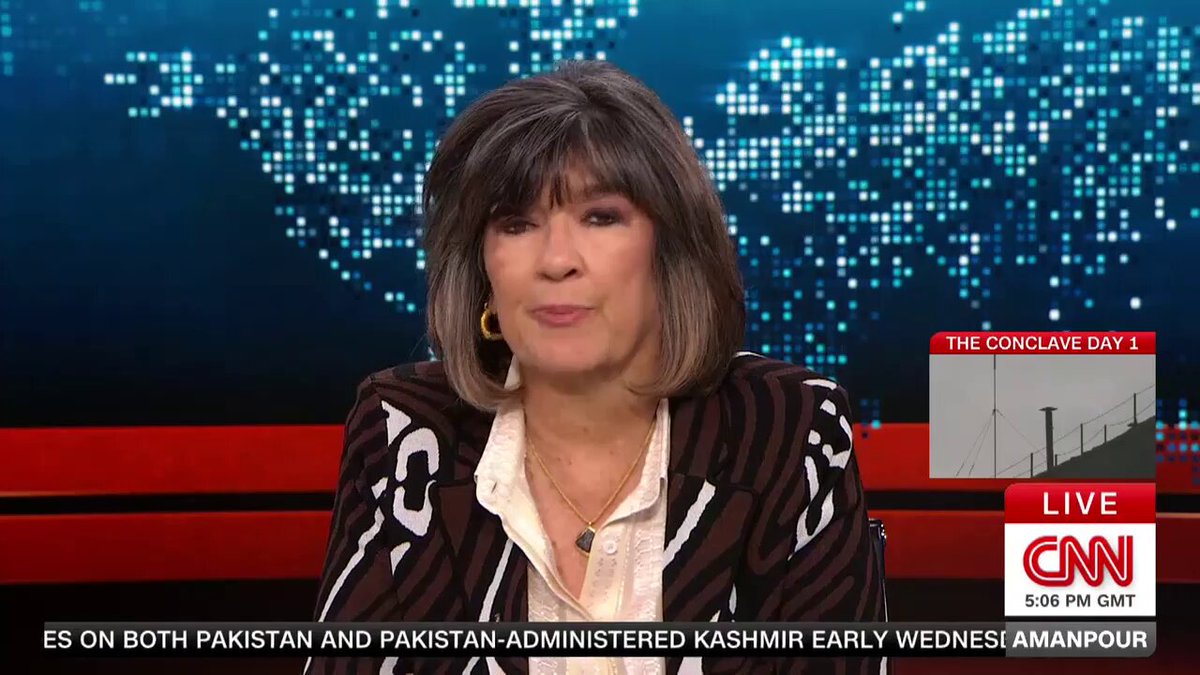
The phrase “Now you all know who really has the voice here” encapsulates Amanpour’s recent statement, which highlights her dedication to ensuring that marginalized communities, particularly those in Gaza, are heard on the global stage. Despite the backlash, Amanpour remains steadfast in her mission to report with integrity and to shed light on the realities faced by people living in conflict zones.
Her comments came after a wave of criticism from various groups who interpreted her remarks as controversial or biased. Amanpour took this opportunity to clarify her position, stressing that her goal has always been to provide a platform for those whose stories are often overlooked or misrepresented. She reaffirmed her commitment to journalistic ethics and the importance of balanced reporting, even in the most challenging circumstances.
The Impact of Amanpour’s Comments on Her Career and Journalism
Christiane Amanpour’s career spans decades, during which she has covered some of the most significant global events. The recent controversy has sparked conversations about the responsibilities of journalists in conflict reporting and the fine line between personal opinion and professional objectivity.
Many supporters argue that Amanpour’s willingness to speak candidly about Gaza demonstrates her courage and dedication to truth-telling. Critics, however, have called for greater sensitivity and nuance when discussing such complex issues. Regardless of differing opinions, Amanpour’s response underscores the evolving nature of journalism in an era where media figures are held to intense scrutiny.
This episode also highlights the broader challenges faced by journalists covering the Israeli-Palestinian conflict, where narratives are deeply polarized. Amanpour’s insistence on giving voice to the people of Gaza reflects a growing demand for inclusive storytelling that respects all perspectives.
Why Giving Voice to the Voiceless Matters in Modern Journalism
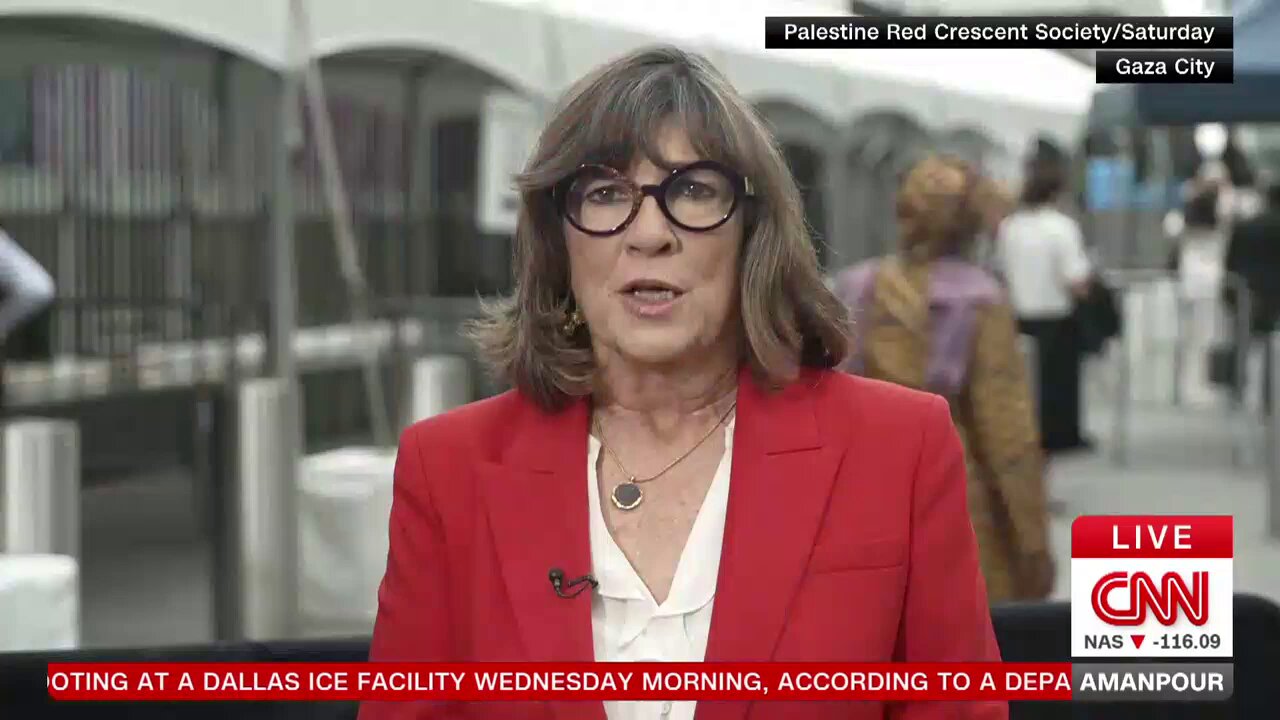
In today’s fast-paced media environment, it is easy for certain stories and communities to be overshadowed or ignored. Journalists like Christiane Amanpour play a crucial role in bridging this gap by bringing attention to underreported issues and amplifying the voices of those affected by conflict and injustice.
By addressing her future and reaffirming her commitment to this principle, Amanpour reminds us of the power of journalism to foster understanding and empathy. Her approach encourages media professionals to prioritize human stories and to challenge dominant narratives that may exclude marginalized groups.
Moreover, Amanpour’s stance serves as a call to action for audiences to critically engage with news content and to seek out diverse perspectives. In doing so, society can move towards a more informed and compassionate global community.
Conclusion: Stay Informed and Support Ethical Journalism
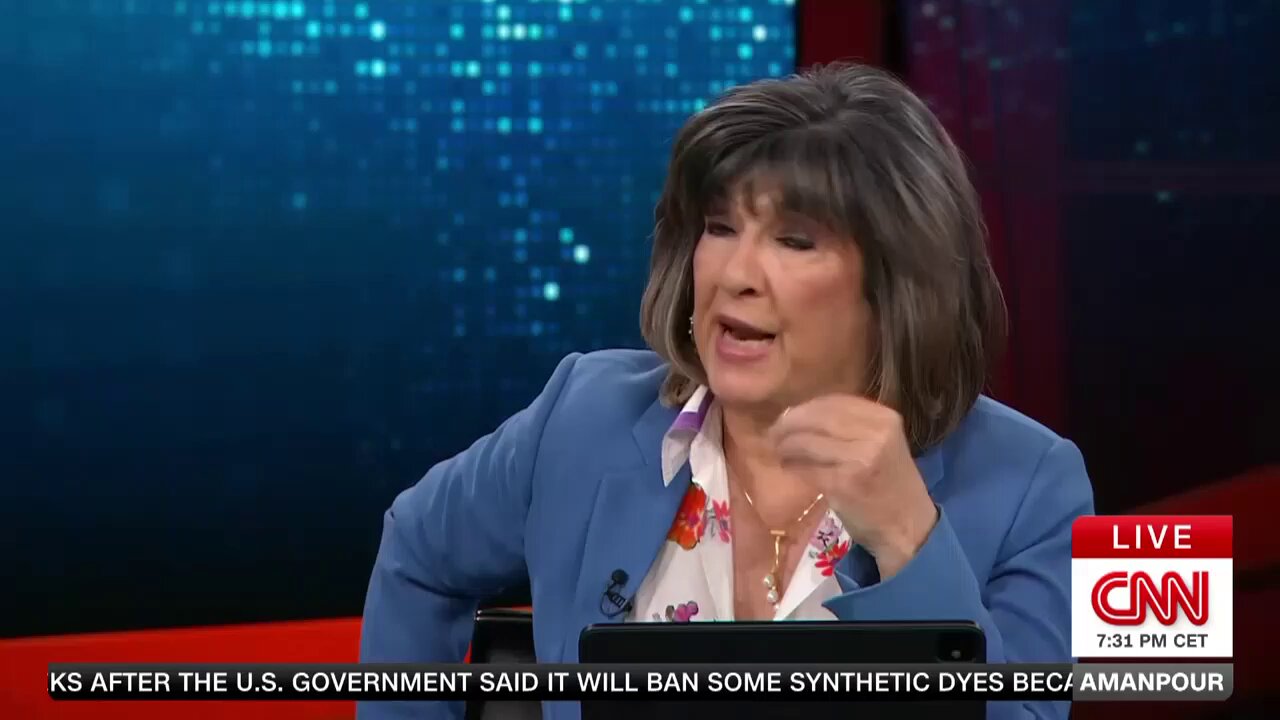
Christiane Amanpour’s recent statements about Gaza and her future in journalism highlight the ongoing challenges and responsibilities faced by reporters covering sensitive geopolitical issues. Her dedication to giving a voice to the voiceless remains a vital aspect of ethical journalism today.
As readers and viewers, it is important to stay informed, question narratives, and support journalists who strive to present balanced and truthful reporting. To keep up with the latest developments and thoughtful analysis from trusted media professionals like Amanpour, subscribe to reputable news sources and engage in meaningful conversations.
If you found this article insightful, share it with others and join the dialogue about the role of journalism in shaping our understanding of global conflicts.